When School Leaders Choose Connection Over Control
A Panel Conversation
Restorative Justice Week
60 Minutes | Free On-Demand Recording | Watch Anytime
The questions keeping school leaders awake have changed.
It's not just "How do we manage behaviour"
It's "How do we create culture where every person feels they belong?"
It's not just "What consequences work?"
It's "What helps young people learn to navigate harm, conflict, and repair?"
And perhaps more urgently: "How do we sustain this work when the pressures are relentless?"
Why This Conversation Matters
Originally recorded during Restorative Justice Week 2025, this panel conversation brings together experienced school leaders for an honest discussion about what it really takes to build restorative cultures in schools.
This is our contribution to the globl conversation about restorative practice in education. A space for school leaders to pause, connect, and consider what it means to lead restoratively.
Available now. Watch Anytime.
What This Panel Offers
Watch Kristy Elliott (Director, Restorative Pathways) and a panel of experienced school leaders who are living this work every day—navigating the messy, meaningful reality of building restorative cultures in schools.
Featuring:
Kristy Elliott - Director, Restorative Pathways
Anthony Potesta - Principal, Banum Warrik Primary School
Andrew Damon - School Improvement Leader: Community and Care, Clonard College Geelong
Dionne Lashley - Vice Principal, ESF King George V School
This isn't theory. It's practitioners speaking honestly about what works, what's hard, and what sustains them in this relational work.
You'll Explore:
The Real Work of Restorative Practice:
What restorative culture actually looks like on an ordinary Tuesday—not just in crisis moments
How schools move from "doing restorative" as behaviour management to "being restorative" as their operating system
The surprising discoveries leaders have made along the way
The Honest Challenges:
Navigating pressure for quick fixes when restorative change is inherently relational and long-term
What helps staff, students, and communities genuinely adopt these approaches
How leaders sustain their own momentum when competing priorities threaten to derail the work
The Bigger Picture:
What it means to view restorative practice as a human right within schools
Our obligations as school leaders to advocate beyond our own sites
How this work connects to the broader movement during Restorative Justice Week
This Conversation Is For You If:
You're a school leader curious about restorative approaches
You've started implementing RP and want to deepen your practice
You're feeling the tension between systemic pressures and relational values
You want to hear from practitioners doing this work in schools across the world
You're seeking connection with others navigating the same questions
You need honest conversation, not another polished presentation
What Makes This Different
This isn't another webinar where you're talked at for an hour.
This is school leaders having the conversation that often gets missed in the rush of the school day. The one where we acknowledge that this work is hard, necessary, and worth it. Where we talk about what actually sustains us.
You'll hear how others are navigating similar challenges. To feel less alone in this work.
Because relational leadership can feel isolating—but it doesn't have to be.
Meet Your Panel

Kristy Elliott
Founder & Lead Educator of Restorative Pathways
Kristy is a former educator turned coach and consultant who deeply understands the challenges school leaders face every day. Through Restorative Pathways, she supports schools across Australia to build restorative, connected cultures through training, coaching, and consultancy grounded in neuroscience, trauma-informed practice, and genuine respect for the complexity of school life.
Her work centres on helping schools move beyond punitive systems to cultures where relationships, dignity, and restoration guide every interaction—from classroom circles to leadership decisions. A member of the Australian Association of Restorative Justice and regular conference speaker, Kristy is known for delivering professional learning that educators describe as "some of the best we've ever had"—practical, research-informed, and deeply values-aligned.
She's committed to the belief that the way we show up matters, and that real change happens when we move from doing restorative to being restorative.
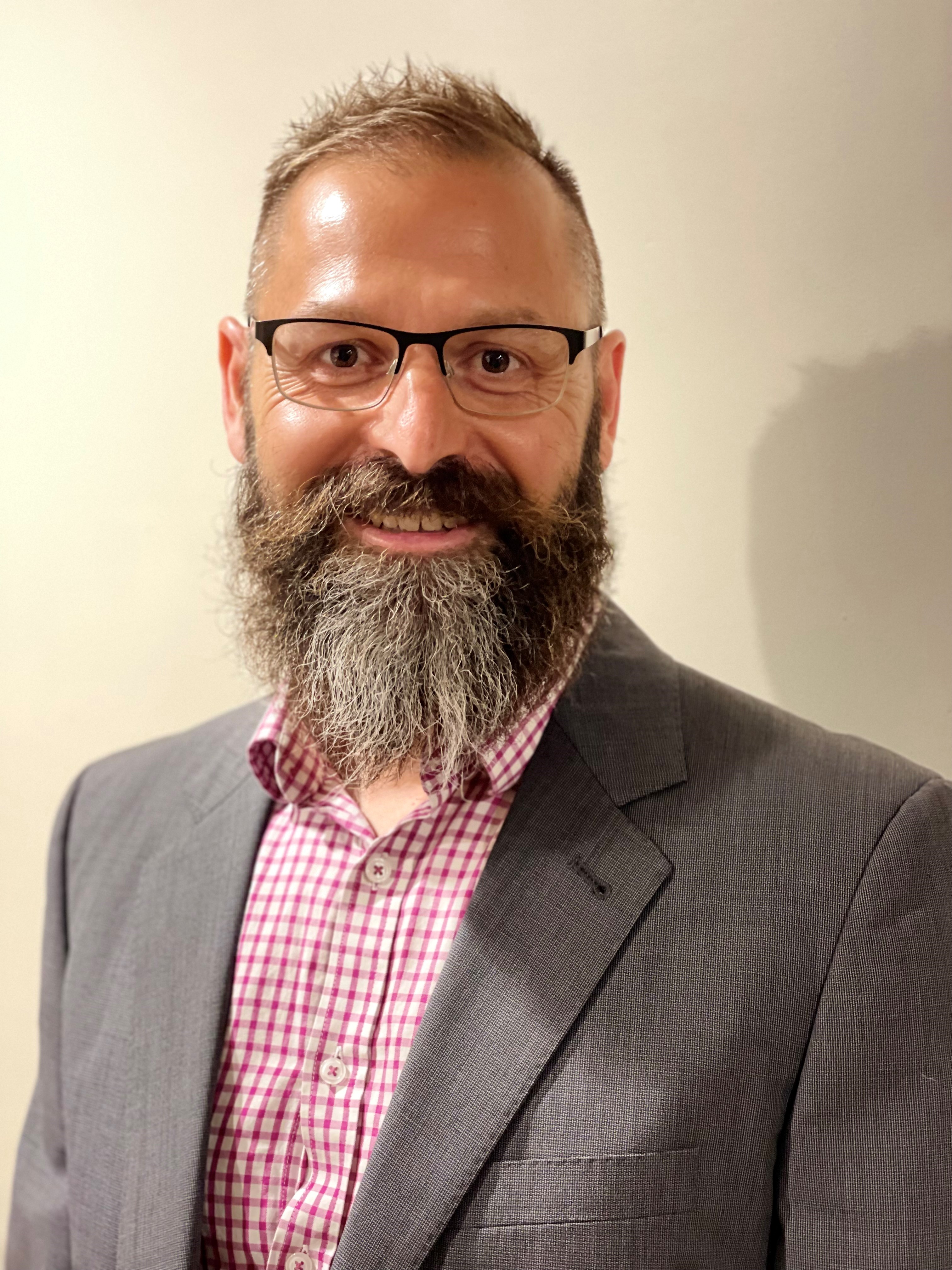
Anthony Potesta
Principal
Banum Warrik Primary School
Anthony Potesta has dedicated over 20 years to education, driven by a deep passion for the Arts. He began his career teaching instrumental music in schools while completing his university studies. After graduating with degrees in Music and Primary Education, Anthony transitioned to primary school teaching, where he spent many years developing his expertise as an educator who prioritises building strong, trusting, and respectful relationships across the entire school community, particularly with his students.
Following the completion of his Master's in Educational Leadership, Anthony served as Assistant Principal for seven years and undertook several acting Principal roles before securing his first substantive Principal appointment at Meadows Primary School in Broadmeadows in 2017. In 2023, he was appointed Principal of Banum Warrik Primary School, a brand-new school in Kalkallo that opened its doors in 2024.
Anthony remains committed to fostering strong partnerships with the school community to enhance educational and wellbeing outcomes for all learners.

Dionne Lashley-Greer
Vice Principal
ESF King George V School
Dionne Lashley-Greer is a passionate educator and leader grounded in the principles of care, community, and collective growth. A vice principal with over 15 years of experience in international schools, Dionne has dedicated her career to fostering cultures of belonging and crafting sustainable systems that empower students, staff, and families alike.
Her leadership journey spans multiple school contexts where she has played a pivotal role in introducing and implementing restorative practices. By embedding these practices into school culture, Dionne has helped build stronger, more connected communities that prioritise relationships and shared accountability as the foundation for learning and growth.
Currently based in Hong Kong, where she has lived and worked for over a decade, Dionne brings a deeply relational approach to her leadership, drawing on her identity, creative artistry, and a steadfast commitment to equity and wellbeing. She is excited to explore relational pedagogy as a framework for unlocking optimal teaching and learning experiences, recognising the transformative potential of restorative practices in building strong, connected learning communities.
In addition to her leadership role, Dionne is completing an EdD in Education Leadership with the University of Bristol, where her research investigates the liberatory possibilities of creative methodologies in qualitative research. Dionne’s professional journey—from performing arts teacher to senior leader—reflects her belief in the power of relationships, collaboration, and shared purpose to create meaningful and lasting change.
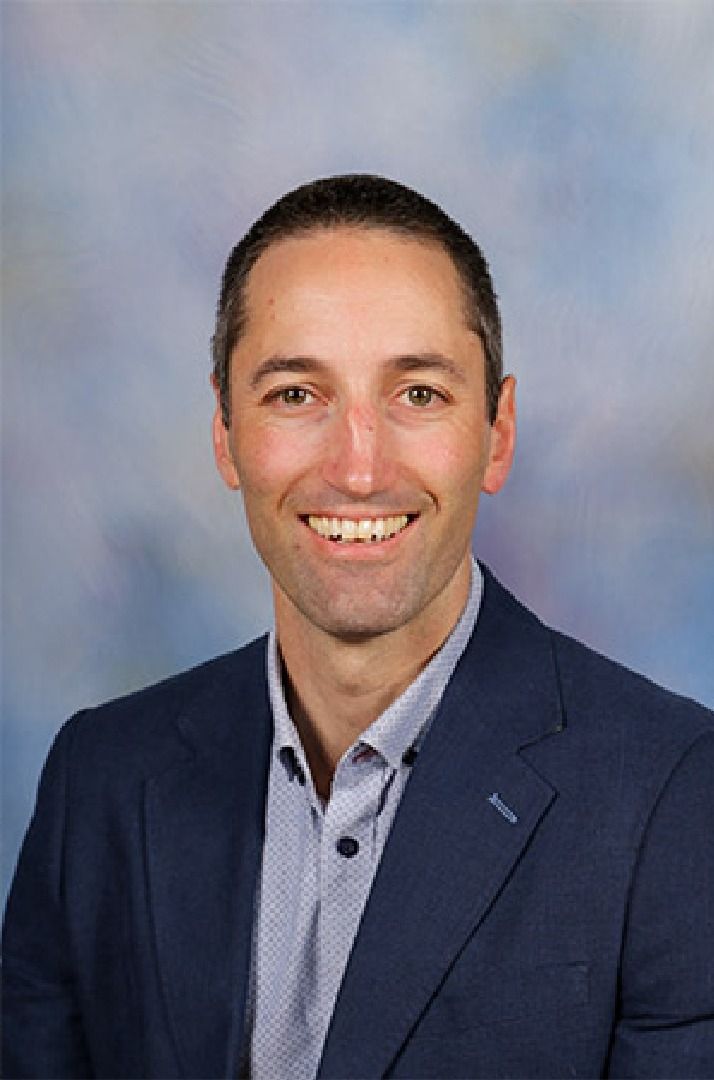
Andrew Damon
School Improvement Leader: Community and Care
Clonard College Geelong
Andrew serves as School Improvement Leader - Wellbeing at Clonard College, where he oversees the whole-school wellbeing program underpinned by positive psychology and the PERMAH framework. He leads the implementation of restorative practice across the school, supporting staff and students to build a culture grounded in connection and restoration. Clonard has set an ambitious goal in their School Strategic Plan to become a lead school for Restorative Practice in Victoria—a vision Andrew is instrumental in bringing to life.
One more thing
If you've been wondering whether restorative practice is just another initiative or something more fundamental—this conversation will help you see the difference.
If you're tired of behaviour management approaches that don't honour the humans involved—you'll find connection here.
If you're leading this work and sometimes wonder if it's actually making a difference—you'll be reminded why it matters.
This conversation is for you.
We acknowledge the Traditional Owners of the land where we work and live, in particular the Wurundjeri people of the Kulin Nation. We pay our respects to Elders past, present and future. We acknowledge all First Nation peoples as the traditional custodians of the continent, whose cultures are among the oldest living cultures in human history. We recognise and celebrate their continued connection to the land and waters of this place, and acknowledge that sovereignty has never been ceded.


View our Privacy Policy and Terms and Conditions here. © 2026. All Rights Reserved.